


In modern construction, safety and efficiency are paramount. One key aspect of ensuring building safety is enhancing fire resistance, particularly in insulation materials like PIR (polyisocyanurate) and PUR (polyurethane) panels. A crucial component that significantly improves the fire resistance of these panels is the fiberglass coated mat. This FAQ delves into how the fiberglass coated mat functions to enhance fire resistance in PIR/PUR panels, contributing to safer and more resilient building structures.Read more
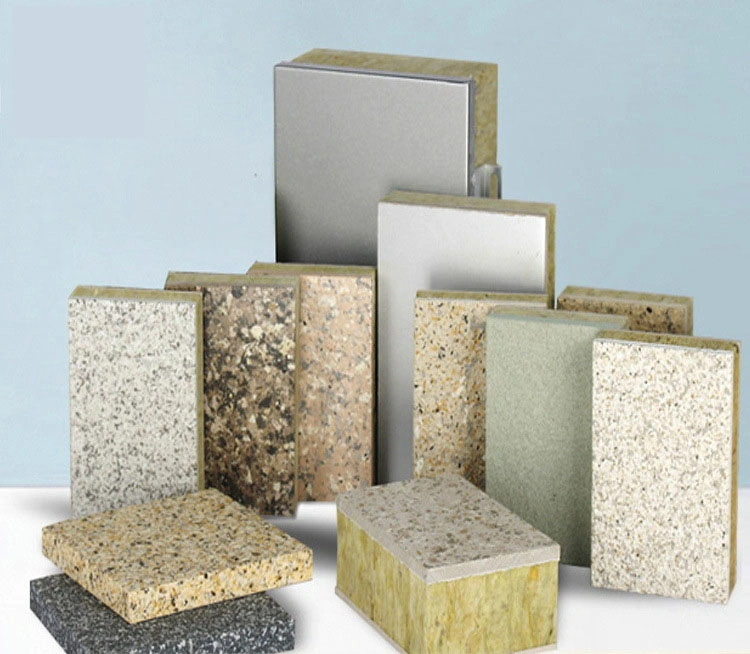
Q1: What are PIR and PUR panels?
A: PIR (polyisocyanurate) and PUR (polyurethane) panels are types of rigid foam insulation used in building construction. They are known for their excellent thermal insulation properties and are commonly used in walls, roofs, and floors.
READ MORE
Q2: What is a fiberglass coated mat?
A: A fiberglass coated mat is a layer of fiberglass material that has been treated or coated with specific substances to enhance its properties. It is commonly used to improve the durability, strength, and fire resistance of various construction materials.
READ MOREQ3: How does fiberglass coated mat provide fire resistance to PIR/PUR panels?
Heat Barrier
The fiberglass material acts as a thermal barrier, resisting high temperatures and slowing down the spread of fire. This is crucial in delaying the structural damage during a fire incident.
Surface Protection
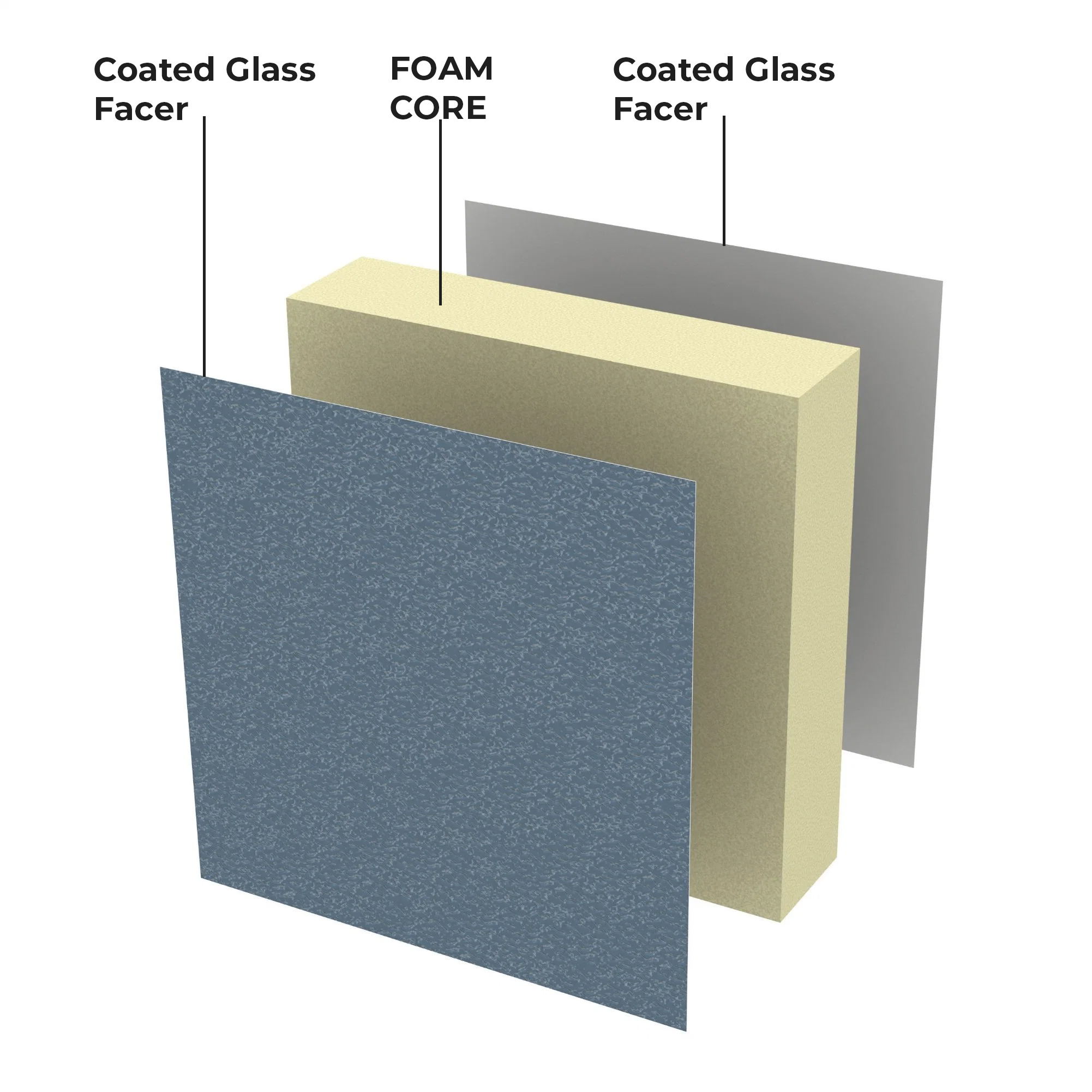
The coated mat forms a protective surface layer on the panels, preventing the foam core from direct exposure to flames and high temperatures. This helps in maintaining the structural integrity of the panels for a longer duration during a fire.
Non-combustibility
Fiberglass is naturally non-combustible, meaning it does not readily ignite or fuel a fire. When applied as a coating on PIR/PUR panels, it reduces the panels’ overall combustibility.
Smoke Reduction
The use of fiberglass coated mats can also help in reducing the amount of smoke generated when the materials are exposed to fire, thereby improving safety and visibility during an evacuation.
Q4: Why is fire resistance important in building construction?
Q6: How is the fiberglass coated mat applied to PIR/PUR panels?
-

A: The application process typically involves bonding the fiberglass coated mat to the surface of the PIR/PUR foam panels during manufacturing. This can be done using various adhesives or through direct lamination processes, ensuring a strong and seamless integration of the mat with the foam core.
Q7: Can fiberglass coated mat be used with other types of insulation materials?
-
A: Yes, fiberglass coated mats can be utilized with various insulation materials besides PIR/PUR panels. They are versatile and can enhance fire resistance, durability, and overall performance in different types of insulation and construction materials.
Sichuan Injet New Energy Co., Ltd.
-
Manufacturing and sales of new energy equipment
-

+86 0838-6927070
-

yjcg@injet.cn
evse.support@injet.comwy
@scwydq.cn
-

No. 19, Tumenjiang Road, Deyang, Sichuan, China.
-

www.injetenergy.com
Q5: Are there specific standards or tests for fire resistance in PIR/PUR panels with fiberglass coated mat?
-
A: Yes, there are various standards and tests that construction materials, including PIR/PUR panels with fiberglass coated mats, must undergo to determine their fire resistance. These standards may vary by region but generally include criteria such as flame spread, smoke generation, and thermal performance. Common standards include ASTM E84 (Standard Test Method for Surface Burning Characteristics of Building Materials) and EN 13501-1 (Fire classification of construction products and building elements).
